
Deliver Real Estate Negotiations and Closing: A Comprehensive Guide
Deliver Real Estate Negotiations and Closing: A Comprehensive Guide
In the ever-evolving world of real estate, negotiations and the closing process are critical moments that define the success of any transaction. Whether you are buying, selling, or investing, a smooth and effective negotiation and closing phase can make all the difference in securing a favorable deal. This guide is designed to provide you with expert insights and real estate negotiation strategies to help you navigate these key steps in the real estate process.
The Real Estate Negotiation Process: Why It Matters
Negotiation is an art—particularly in real estate. Effective negotiation strategies are essential to ensuring that both buyers and sellers achieve their desired outcomes without compromises that affect the deal’s success. The real estate negotiation process requires patience, strategy, and, most importantly, clear communication. As a buyer or seller, it’s crucial to understand the negotiation tactics that work best for your situation.
The Role of Proactive Communication in Negotiations
Effective communication is the cornerstone of any successful real estate negotiation. When we talk about proactive communication, we mean not only clear and consistent updates but also anticipating potential challenges and addressing them before they become issues. Here’s how we incorporate proactive communication into real estate negotiations: Setting Clear Expectations: We make sure that all parties involved have a clear understanding of the process from the outset. This reduces the likelihood of misunderstandings that could lead to complications during the closing phase.
The Key Phases of Real Estate Negotiation
The real estate negotiation process generally involves a few critical phases that require careful attention: Preparation and Research: Before entering any negotiation, it’s essential to research the market, understand your position, and gather as much data as possible. This may include researching similar properties, evaluating comparable sales (comps), and identifying key trends in the area. Offer and Counteroffer: After your initial offer is made, expect the possibility of a counteroffer. Whether you’re a buyer or seller, the back-and-forth process will continue until both parties reach a mutually agreeable price or terms. Timing and flexibility play a huge role here—both in making an offer and accepting a counteroffer.
Delivering a Smooth Closing: The Final Step
Managing Closing Costs and Final Negotiations


Proactive Negotiation and Closing Strategies for Buyers
Understand Your Budget and Get Pre-Approved Before entering negotiations, make sure you have a pre-approval letter from a lender. This not only helps you understand your budget but also shows the seller that you’re a serious buyer. Pre-approval can give you a competitive edge, especially in a hot market.
Be Ready for Counteroffers Negotiations are rarely straightforward. Expect counteroffers, and be prepared to respond strategically. Know what you’re willing to negotiate on (price, contingencies, or closing costs) and where you’re firm.
Proactive Negotiation and Closing Strategies for Sellers
1. Price Your Home Competitively The first step in attracting buyers is pricing your home correctly. Overpricing your home can lead to it sitting on the market for too long, while underpricing can result in lost value. Work with an experienced real estate agent who can help you set a price based on current market conditions and comparable homes.
2. Be Flexible with Negotiations As a seller, you may face offers below your asking price. Be prepared for negotiations and be willing to consider reasonable offers. Respond promptly to buyer inquiries and counteroffers to maintain momentum in the transaction.
3. Be Ready to Make Repairs or Offer Credits Buyers often request repairs or credits for issues found during the inspection. Be proactive by getting your home inspected before listing it and making necessary repairs in advance. If issues arise after the inspection, be willing to offer a credit or discount to close the deal.
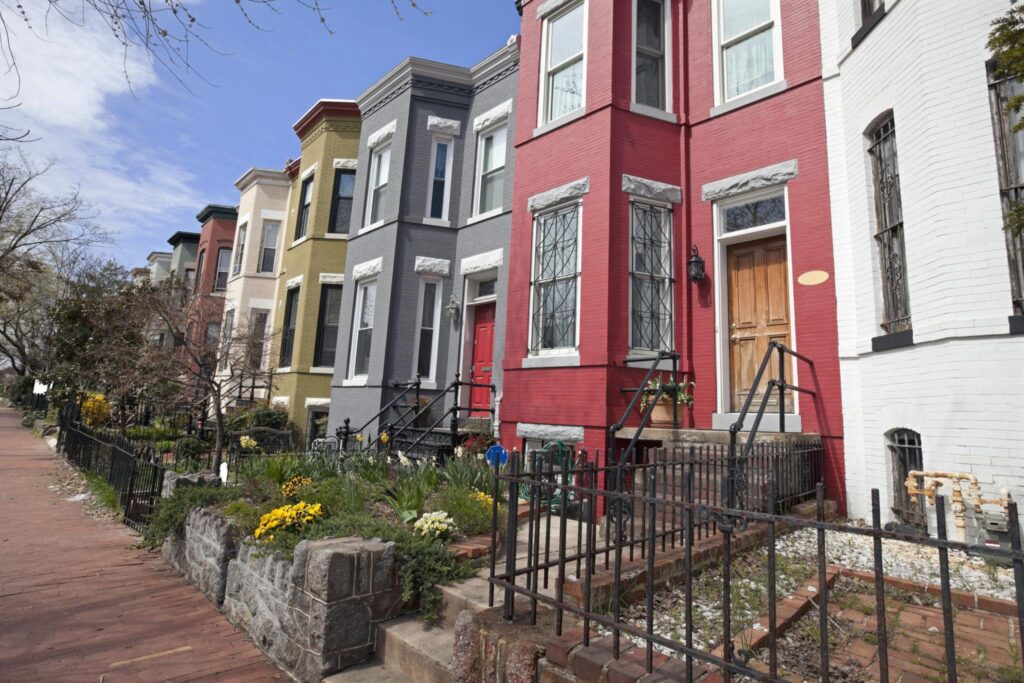
Top DMV Real Estate Market Guidance for 2026: Trends & Insights
Get expert **DMV Real Estate Market Guidance**. Stay ahead in 2026 with trends, pricing strategies, and expert tips for buying and selling homes in the DMV area.
Learn MoreAbout DMV Real Estate Market Guidance
The **DMV Real Estate Market** is one of the most dynamic and diverse markets in the country, encompassing **Washington D.C.**, **Maryland**, and **Virginia**. As the region continues to grow and evolve, staying informed with **accurate market guidance** becomes essential for buyers, sellers, and investors. Understanding the latest **market trends**, **pricing shifts**, and **buyer behavior** will empower you to make well-informed decisions. In this comprehensive guide, we offer expert insights to help you navigate the complexities of the **DMV real estate market**, whether you're purchasing your first home or looking for lucrative investment opportunities.
Explore more on Realtor.comWhy 2026 Is the Year to Get Involved in the DMV Real Estate Market
The **DMV Real Estate Market** is expected to experience growth in 2026 despite challenges like rising mortgage rates. Here's why this year presents both opportunities and risks for buyers, sellers, and investors alike.
- Demand for Suburban Properties: With remote work becoming more permanent, many buyers are looking for larger homes in suburban areas like **Alexandria**, **Fairfax**, and **Bethesda**. These areas are expected to see sustained demand.
- Rising Home Prices: D.C. and Northern Virginia continue to see rising home prices due to limited inventory and high demand in popular neighborhoods.
- Increasing Investment Potential: The region continues to attract investors, especially in rapidly developing areas like **Tysons Corner**, **Crystal City**, and **Alexandria**. These areas are ideal for long-term investments in both residential and commercial real estate.
Key Market Insights for 2026: What Buyers, Sellers, and Investors Need to Know
In 2026, the **DMV Real Estate Market** is going through several shifts that will impact both buyers and sellers. Below are key insights:
- Buyers Should Be Prepared for Bidding Wars: As demand for properties in desirable locations continues to grow, **buyers** will need to act quickly to secure properties. Offering competitive bids and ensuring financing is pre-approved will be critical in a tight market.
- Sellers Should Maximize Their Property’s Appeal: With inventory at a premium, **sellers** have a unique opportunity to negotiate higher prices. However, homes must be priced competitively, and staging the property will increase its attractiveness to potential buyers.
- Investors Will Find Opportunities in Emerging Neighborhoods: Areas like **Woodbridge**, **Silver Spring**, and **Arlington** are expected to see continued growth, making them ideal for investment properties. Investors should focus on locations with strong transportation links and amenities to guarantee future returns.
- Mortgage Rates Impact Affordability: Higher mortgage rates could impact **first-time buyers**’ affordability. It’s important for buyers to lock in rates early or consider adjustable-rate mortgages to stay within budget.
By focusing on these insights, you can maximize your chances of success in the **DMV real estate market**. Check out our detailed [DMV Market Trends Report](https://example.com/market-trends) for a full breakdown of pricing and neighborhood growth.
Get Expert Guidance on the DMV Real Estate Market
Whether you're buying your first home, selling in a competitive market, or investing in rental properties, our team of **real estate experts** can provide tailored **DMV Real Estate Market Guidance**. Get in touch with us today to discuss your goals and receive personalized advice to succeed in the DMV real estate market.
Contact Us NowDeliver Real Estate Negotiations and ClosingDeliver Real Estate Negotiations and ClosingDeliver Real Estate Negotiations and ClosingDeliver Real Estate Negotiations and ClosingDeliver Real Estate Negotiations and ClosingDeliver Real Estate Negotiations and ClosingDeliver Real Estate Negotiations and ClosingDeliver Real Estate Negotiations and ClosingDeliver Real Estate Negotiations and ClosingDeliver Real Estate Negotiations and ClosingDeliver Real Estate Negotiations and ClosingDeliver Real Estate Negotiations and ClosingDeliver Real Estate Negotiations and ClosingDeliver Real Estate Negotiations and ClosingDeliver Real Estate Negotiations and Closing


